When a fire occurs, the devastation extends well beyond what the flames can physically destroy. Even minor fires can cause considerable property damage due to smoke, soot, heat, and water. Understanding the various types of fire damage helps homeowners understand why expert restoration is necessary.
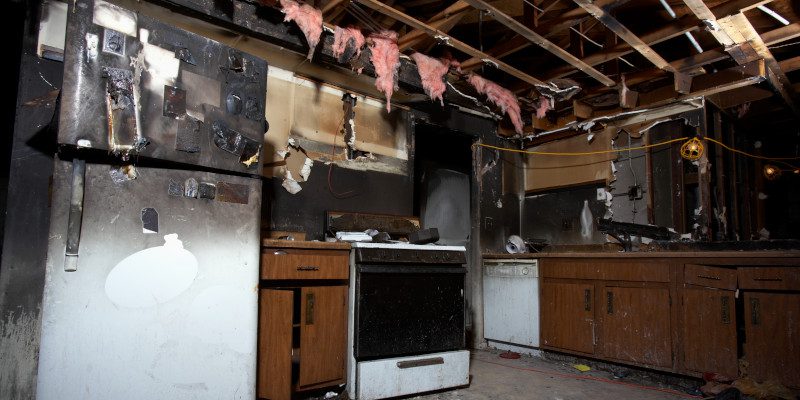
- Smoke Damage: Smoke damage is one of the most common impacts of a fire. Smoke can spread well beyond the burning area, penetrating walls, ceilings, furniture, fabrics, and HVAC systems. It emits powerful scents and small particles that, if not removed properly, can cause respiratory discomfort and long-term air quality problems. It is also important to understand that different fires produce different forms of smoke, requiring particular cleaning methods.
- Soot Damage: Soot is a black, powdery residue that forms when materials burn incompletely. It can coat many surfaces in the home, such as walls, appliances, gadgets, and personal things. Soot is acidic, which means it can corrode metals, discolor surfaces, and permanently destroy goods if not removed soon. Improper cleaning can spread soot farther, worsening the damage.
- Heat Damage: Heat damage happens even in regions that are not directly affected by flames. Extreme temperatures can fracture structural components, crack drywall, warp wood, melt plastics, and cause damage to wiring behind walls. Heat can also weaken framing elements, necessitating professional inspections to ensure the building’s structural integrity.
- Water Damage: Firefighting activities can result in water damage. Large volumes of water can seep into floors, walls, insulation, and furniture, causing swelling, mold growth, and structural deterioration if not addressed immediately. Water and fire damage restoration frequently go hand in hand.
Because each form of fire damage requires specialized equipment and knowledge, professional fire damage restoration is the safest and most effective approach to completely restore your house while protecting your health.