Water damage does not wait, and neither should you. Water can spread quickly throughout a property, whether due to a burst pipe, appliance failure, or floods, transforming a minor problem into a huge restoration project. Understanding how quickly water damage progresses explains why prompt response is essential.
- Within Minutes. As soon as water enters your home or structure, it spreads across floors and soaks into porous surfaces. Carpets, rugs, upholstery, and walls all quickly absorb moisture. Wood flooring can swell and warp, and water may leak into baseboards and lower wall cavities.
- Within 1–2 hours. Water continues to move, frequently reaching adjoining rooms and lower levels. Drywall weakens, paint may begin to bubble, and furniture absorbs additional moisture. Electrical systems can also be affected, creating safety issues. The longer water lingers, the more difficult it is to completely dry the affected materials.
- Within 24 hours. This is when secondary damage accelerates. Mold can form in as little as 24 hours under ideal conditions. Wood framing may start to weaken, metal surfaces can corrode, and lingering moisture creates strong musty odors. At this point, what should have been a simple cleanup frequently requires professional drying and antibacterial treatment.
- After 48–72 hours, significant structural and health problems may arise. Mold development spreads, materials may need to be replaced rather than restored, and repair prices skyrocket. Prolonged wetness can damage subfloors, insulation, and wall systems, causing long-term problems if not managed appropriately.
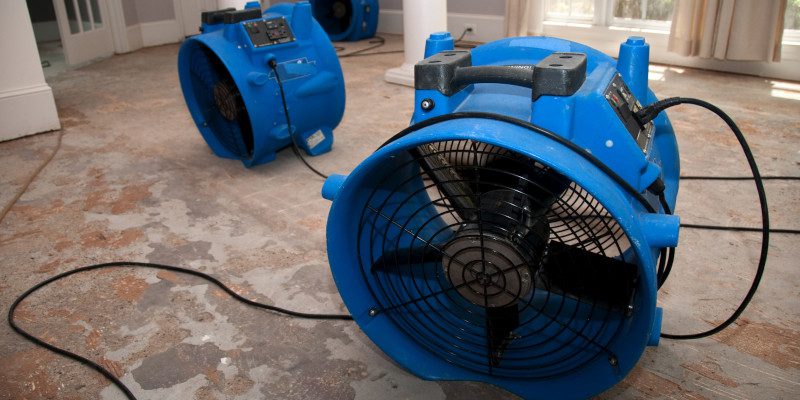
Immediate water damage restoration can halt this timetable in its tracks. Professional teams use sophisticated equipment to collect water, locate hidden moisture, and fully dry affected areas. In other words, the sooner restoration begins, the more of your property will be salvaged.